Chinese tea culture stretches back thousands of years, rooted in both myth and medicine. According to legend, Emperor Shennong discovered tea around 2737 BCE when leaves from a wild tree drifted into his boiling water. What started as an accidental brew became one of the most enduring traditions in human history. Over centuries, tea evolved from a medicinal remedy into a cultural cornerstone, shaping art, philosophy, and everyday life across China.
The main types of Chinese tea
China produces six primary categories of tea: green, white, yellow, oolong, black, and dark (pu-erh). Each type is defined by how its leaves are processed after harvesting. Green tea, the most widely consumed variety, is minimally oxidised and prized for its fresh, grassy flavour. White tea undergoes even less processing, resulting in a delicate, subtly sweet taste. Oolong sits between green and black tea, with a complex flavour profile that can range from floral to roasted. Pu-erh, a fermented dark tea from Yunnan Province, is aged over time — sometimes for decades — developing an earthy, rich depth that collectors actively seek out.
The art of the tea ceremony
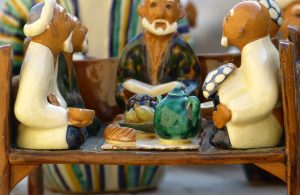
The Chinese tea ceremony, known as Gongfu Cha, is a meditative practice centred on precision and respect. Every element matters: the quality of the water, the temperature of the brew, the shape of the teapot, and the order in which guests are served. Traditionally performed with oolong or pu-erh tea, the ceremony uses small clay teapots — often made from Yixing clay — which absorb the flavours of the tea over time. Far from being a rigid ritual, Gongfu Cha is considered a form of living art, one that reflects the host's care and attention to detail.
Regional varieties and terroir
Much like wine, Chinese tea is deeply influenced by its growing environment. Longjing (Dragon Well) tea from Hangzhou's West Lake region is renowned for its flat, jade-green leaves and clean, nutty flavour. Tie Guan Yin, an oolong from Fujian Province, carries a floral aroma that sets it apart from teas grown just miles away. The mountainous regions of Yunnan produce broad-leafed trees, some centuries old, whose leaves are used to make aged pu-erh. These regional distinctions are taken seriously by enthusiasts and traders alike, and premium teas from celebrated growing areas can command extraordinary prices.
Tea and Chinese philosophy
Tea has long been intertwined with Taoist and Buddhist thought in China. Its preparation encourages stillness, patience, and presence — qualities that align closely with both traditions. Buddhist monks used tea to stay alert during long periods of meditation, while Taoist scholars appreciated its connection to nature and simplicity. The concept of "cha dao," or the Way of Tea, treats the act of brewing and drinking tea as a path toward inner harmony. This philosophical dimension is what distinguishes Chinese tea culture from mere beverage consumption.
Tea's place in modern China
Despite rapid modernisation, tea remains deeply embedded in Chinese daily life. Street-corner tea shops sit alongside international coffee chains in major cities, and gifting premium tea during festivals and business meetings is still common practice. Younger generations are rediscovering traditional teas through a growing craft tea movement, with speciality teahouses offering guided tastings and brewing workshops. Online platforms have also made rare regional teas accessible to a global audience, sparking renewed international interest. The tradition is not fading —