Chinese cooking utensils are the tools and equipment used in traditional and modern Chinese cuisine. From the iconic wok to the humble bamboo steamer, each utensil plays a specific role in creating the flavours and textures that define Chinese food. Understanding these tools is the first step to mastering the art of Chinese cookery — and using them correctly can make a remarkable difference to your results in the kitchen.
The wok: the heart of Chinese cooking
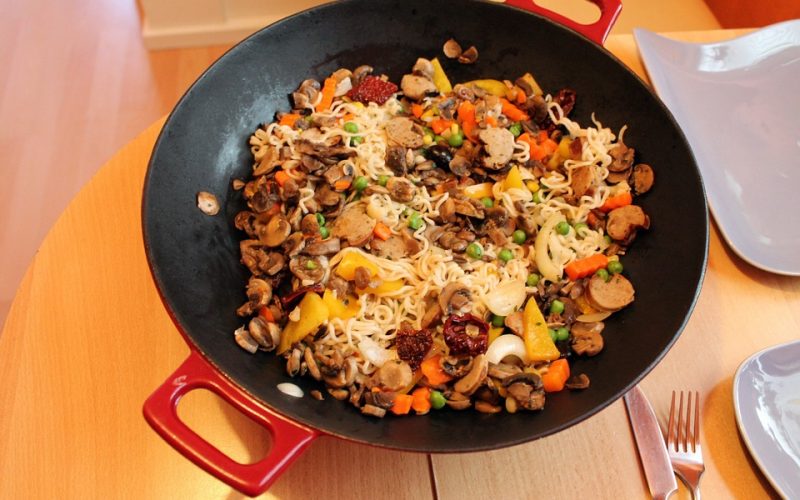
No utensil is more closely associated with Chinese cuisine than the wok. This round-bottomed pan, typically made from carbon steel or cast iron, is designed to conduct heat quickly and evenly. Its sloping sides allow food to be tossed and stirred without spilling, making it ideal for stir-frying, deep-frying, steaming, and even smoking. A well-seasoned wok develops a natural non-stick surface over time, which only improves with use. For anyone serious about Chinese cooking, a good wok is an essential investment.
Bamboo steamers and their role in the kitchen
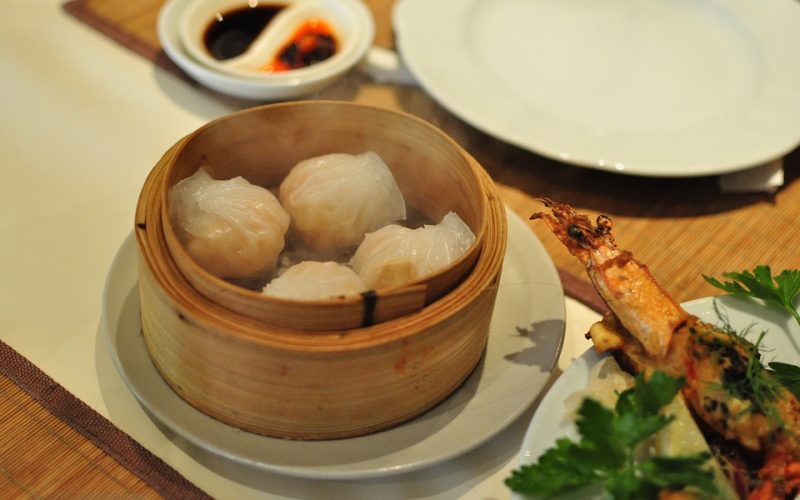
Bamboo steamers have been used in Chinese cooking for thousands of years, and for good reason. Stacked in layers over a wok or pot of simmering water, they allow multiple dishes to be cooked simultaneously without losing moisture or flavour. The bamboo material absorbs excess steam, preventing condensation from dripping onto food — a key advantage over metal steamers. Dim sum dumplings, bao buns, and whole fish are just a few of the dishes that benefit from this gentle, even cooking method.
Cleavers, chopsticks, and other essential tools
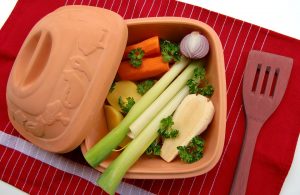
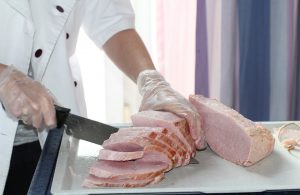
The Chinese cleaver is another cornerstone of the traditional kitchen. Unlike Western chef's knives, the cleaver's broad, rectangular blade is used for a wide range of tasks — slicing, dicing, mincing, and even crushing garlic with the flat side. Chopsticks, meanwhile, serve a dual purpose: they are both a cooking tool and an eating utensil. Long cooking chopsticks are used to stir, separate, and plate food with precision. Other commonly used tools include the spider strainer, a wide wire-mesh ladle perfect for lifting foods from hot oil or water, and the sand pot, a clay vessel used for slow-braised dishes and soups.
Choosing the right materials
The materials used in Chinese cooking utensils are chosen for practical reasons. Carbon steel woks heat up faster than stainless steel and respond quickly to changes in temperature, giving the cook greater control. Bamboo is favoured for steamers because it is lightweight, sustainable, and naturally absorbs moisture. Clay pots retain heat well and impart a subtle earthiness to slow-cooked dishes. When selecting utensils, it is worth considering what types of dishes you plan to cook most often, as this will guide you towards the tools that will serve you best.
Caring for your utensils
Proper care extends the life of Chinese cooking utensils significantly. Woks should be hand-washed and dried immediately after use to prevent rust, then lightly oiled to maintain their seasoning. Bamboo steamers need to be soaked in water before use and allowed to dry fully afterwards to prevent cracking. Clay pots require gradual heating and cooling to avoid thermal shock. With the right maintenance routine, these utensils can last for decades — and in many Chinese households, they are passed down through generations.
A worthwhile addition to any kitchen
Chinese cooking utensils are not just for those making traditional dishes. Their versatility makes them a valuable addition to any kitchen. A wok is just as useful for cooking a quick weeknight stir-fry as it is for preparing an elaborate feast. A bamboo steamer can be used for vegetables, fish, and even desserts. Once you become familiar with these tools and how to use them, you may find that they become the utensils you reach for most often — regardless of what cuisine you are cooking.