Chinese cuisine is one of the oldest and most diverse culinary traditions in the world, shaped by thousands of years of culture, geography, and philosophy. At its heart lies a carefully chosen set of ingredients that do far more than add flavour — they define texture, aroma, colour, and even the health properties of a dish. Understanding these staple ingredients is the first step to appreciating why Chinese food tastes the way it does, and how to recreate it authentically at home.
The backbone of flavour
Few ingredients are as fundamental to Chinese cookery as soy sauce. Made from fermented soybeans, wheat, water, and salt, it brings a deep umami richness to marinades, stir-fries, braises, and dipping sauces. Light soy sauce is used for seasoning and adding saltiness without darkening a dish, whilst dark soy sauce — thicker and slightly sweeter — lends colour and depth to slow-cooked meats and noodles. Together, they form a duo that appears in countless Chinese recipes across regional traditions.
The aromatic foundation
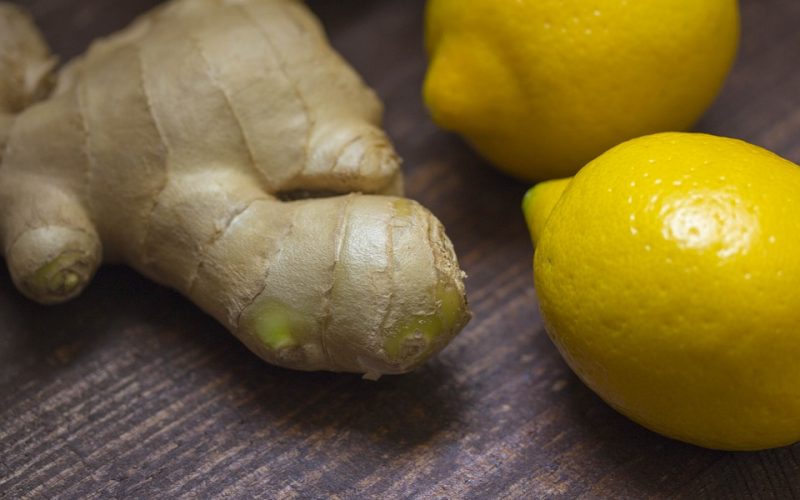
Ginger and garlic are rarely found apart in Chinese cooking. These two aromatics form the flavour base for an enormous range of dishes, from simple vegetable stir-fries to elaborate braises. Fresh ginger contributes a warm, slightly spicy note that balances rich or fatty ingredients, whilst garlic adds pungency and depth. Both are also valued in Chinese medicine for their digestive and warming properties, reflecting the long-held belief in Chinese culture that food and health are inseparable.
Cooking with complexity
Shaoxing rice wine is a fermented ingredient made in the Zhejiang province and has been used in Chinese kitchens for centuries. It adds a subtle, nutty complexity to dishes and is especially common in Shanghainese and Cantonese cooking. A splash of Shaoxing wine into a hot wok helps deglaze the pan, lifts aromatics, and rounds out the overall flavour of a sauce. Dry sherry can work as a substitute, though the depth and character of authentic Shaoxing wine is difficult to replicate precisely.
Finishing with fragrance
Unlike cooking oils, toasted sesame oil is used primarily as a finishing ingredient, drizzled over a completed dish to add a rich, nutty aroma. A small amount goes a long way. It appears frequently in cold dishes, noodle salads, soups, and dumplings. Because its flavour breaks down quickly under high heat, it is almost always added at the end of cooking rather than at the start — a small but important distinction that makes a noticeable difference to the final result.
Warmth in a blend
Five-spice powder is a ground spice blend typically composed of star anise, cloves, Chinese cinnamon, Sichuan pepper, and fennel seeds. The combination is designed to reflect the five flavours of Chinese culinary philosophy — sweet, sour, salty, bitter, and umami — in a single seasoning. It is most commonly used in braised meats, roasted duck, and char siu pork. The blend varies slightly by region and brand, but its signature warm, slightly sweet, anise-forward character remains consistent and immediately recognisable.
The soul of Sichuan cooking
Doubanjiang, a fermented paste made from broad beans and chillies, is arguably the most important ingredient in Sichuan cuisine. Produced primarily in Pixian county, it is slow-fermented over months or years to develop its characteristic deep red colour, complex savouriness, and moderate heat. It forms the base of iconic dishes such as mapo tofu and twice-cooked pork. Cooking doubanjiang in hot oil before adding other ingredients — a technique known as "stir-frying the paste" — is essential for unlocking its full, rounded flavour and releasing its striking crimson hue into the dish.