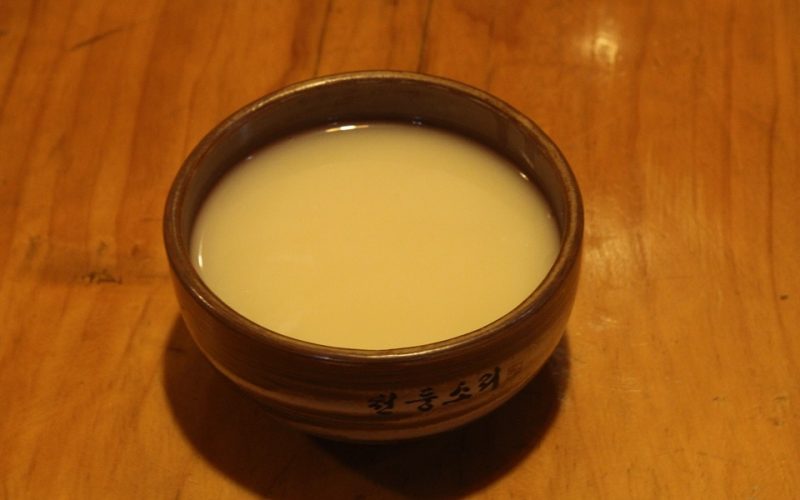
Traditional Chinese rice wine, known as "mijiu", is one of the oldest alcoholic beverages in the world. Brewed from fermented glutinous rice, it has been a cornerstone of Chinese culture for thousands of years — used in cooking, medicine, and ceremony alike. Unlike Western wines made from grapes, rice wine gets its character from a fermentation starter called "jiuqu", a blend of moulds and yeasts that converts rice starches into sugars and then alcohol.
A brief history
The origins of Chinese rice wine stretch back over 9,000 years, with archaeological evidence of fermented rice-based beverages found at Jiahu in Henan Province. Throughout Chinese history, rice wine held a revered place in society — offered at ancestral altars, prescribed in traditional medicine, and exchanged as gifts during festivals. The Tang and Song dynasties saw rice wine production flourish, with regional varieties developing distinct identities based on local water sources, rice strains, and brewing techniques.
How is it made?
The brewing process begins with steaming glutinous rice until tender, then cooling it and mixing it thoroughly with jiuqu. This mixture is left to ferment over a period of weeks or months, depending on the desired flavour profile and alcohol content. The result is a liquid that ranges from clear to amber in colour, with a mild sweetness and an earthy, complex aroma. Alcohol content typically falls between 10% and 25%, varying by style and region.
Regional varieties worth knowing
China's most celebrated rice wine is Shaoxing wine, produced in Zhejiang Province and aged in sealed clay urns for anywhere from one to several decades. Its rich, nutty flavour makes it indispensable in Chinese cuisine, particularly in braised dishes, marinades, and sauces. Further south, Fujian produces a sweeter variety known as "hongqu jiu", which gets its distinctive reddish hue from red yeast rice. Meanwhile, in Guangdong, a milder, lightly sweetened version is commonly consumed warm as a comforting drink during cooler months.
Rice wine in Chinese cooking
Few ingredients are as quietly essential to Chinese cooking as rice wine. Shaoxing wine, in particular, is used to neutralise the gamey odour of meat and seafood, add depth to stir-fries, and lend a subtle sweetness to slow-cooked braises. A splash added to a wok at high heat creates an immediate aromatic effect that elevates a dish entirely. Many classic recipes — including red-braised pork belly and Cantonese steamed fish — would lose much of their character without it.
Cultural significance and ritual use
Beyond the kitchen, rice wine carries deep cultural meaning. It features prominently in Chinese New Year celebrations, wedding banquets, and ancestral offerings. One well-known tradition involves burying jars of rice wine at a daughter's birth, to be unearthed only on her wedding day — a custom known as "nü er hong", meaning "daughter's red". This practice reflects the way rice wine has long been woven into life's most significant moments, marking time and honouring relationships.
How to enjoy it today
Traditional Chinese rice wine is experiencing renewed interest both within China and internationally, as people seek out more nuanced, historically rooted drinks. Aged Shaoxing wine is best served warm in small ceramic cups, while younger, sweeter varieties can be enjoyed chilled or used in cocktails. For those new to it, starting with a well-aged Shaoxing from a reputable producer is a good entry point. Whether sipped slowly or stirred into a sauce, rice wine offers a direct connection to one of the world's oldest culinary and cultural traditions.